From Bare Metal to Brain Power: Understanding MCP Server Architecture and Setup (Explainer & Practical Tips)
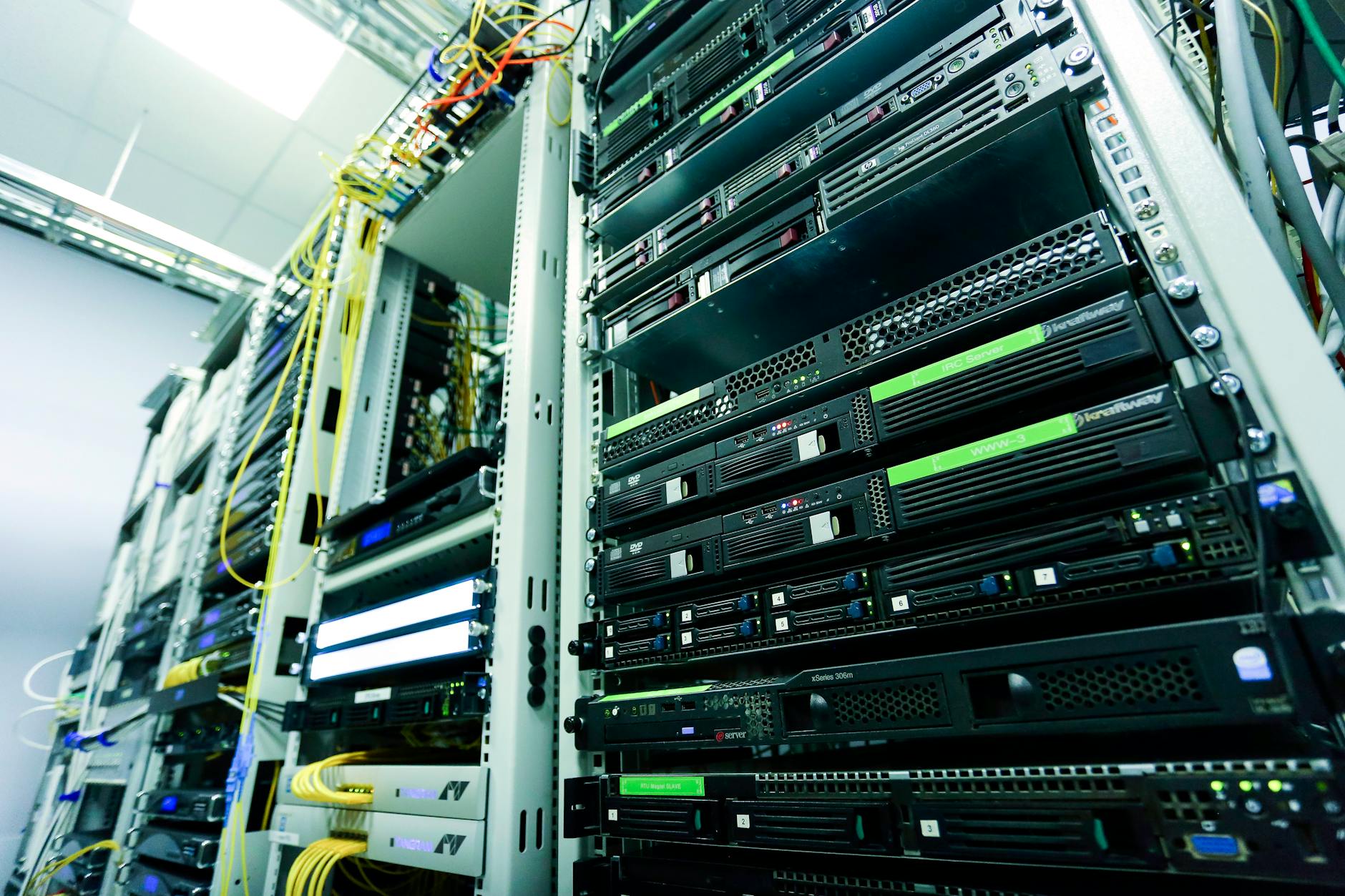
Embarking on the journey of understanding MCP (Master Control Program) server architecture is to delve into a distinct, robust, and often misunderstood ecosystem. Unlike typical x86 architectures, MCP systems, traditionally running on Unisys A-Series or ClearPath mainframes, feature a unique blend of hardware and software design. The 'bare metal' here refers to specialized processors and memory management units meticulously crafted to execute the MCP operating system with unparalleled efficiency and reliability. Key architectural elements include a highly optimized instruction set, advanced I/O processors handling data movement, and a memory-intensive design that allows the OS to manage resources with remarkable granularity. Setting up such an environment involves more than just plugging in components; it requires a deep appreciation for its inherent design principles, ensuring optimal performance and the rock-solid stability MCP systems are renowned for, particularly in mission-critical applications.
Transitioning from the theoretical understanding to the practical realm of MCP server setup and configuration demands a methodical approach, often differing significantly from conventional server deployments. Initial setup involves carefully integrating specialized hardware components, followed by the installation of the MCP operating system itself – a process that leverages its unique system generation and configuration tools. Practical tips for successful deployment include meticulously planning for disk space and I/O capacity, given MCP's often data-intensive workloads. Furthermore, understanding the intricacies of network configuration within the MCP paradigm, including concepts like NAP and DCP, is crucial for seamless connectivity. Effective monitoring and performance tuning also require familiarization with MCP-specific utilities, allowing administrators to leverage the system's inherent strengths and ensure it delivers its characteristic 'brain power' for complex computational tasks efficiently.
The Google Search API allows developers to programmatically access Google search results, enabling the integration of search functionalities into custom applications. This powerful tool provides structured data for various types of searches, including web, image, video, and news, facilitating automated data collection and analysis. Developers can leverage it to build innovative solutions that depend on real-time search information without direct manual interaction with the Google search engine.
Unleashing AI Potential: Common Questions, Advanced Strategies, and Troubleshooting Your MCP Server (Common Questions & Practical Tips)
As we delve into the transformative power of AI, particularly its strategic integration with critical infrastructure like your MCP server, a common initial query revolves around data security and privacy. Many rightfully ask: “How does AI handle sensitive business data within my existing server framework?” The answer lies in robust, enterprise-grade AI solutions that prioritize on-premise or secure cloud deployments, often leveraging federated learning or differential privacy techniques. Furthermore, understanding the nuances of how AI processes and stores information is crucial. For instance, is the AI learning from your raw data, or is it merely extracting insights from anonymized datasets? This distinction is vital for maintaining compliance and safeguarding proprietary information. We'll explore practical steps to configure these settings, ensuring your AI initiatives enhance, rather than compromise, your data integrity.
Beyond initial security concerns, the conversation quickly shifts to practical implementation and performance optimization. A frequent question is: “What’s the best way to integrate AI with my legacy MCP server without a complete overhaul?” This is where advanced strategies come into play. We’ll discuss leveraging APIs and microservices architectures to create a seamless bridge between your current MCP environment and powerful AI models. Furthermore, optimizing AI performance isn’t just about raw computational power; it involves intelligent data preprocessing, model selection, and continuous learning cycles. We'll examine techniques like distributed training and edge AI deployment, which can significantly reduce latency and improve real-time decision-making within your MCP operations. Expect actionable advice on resource allocation and performance monitoring to truly unleash AI's potential within your existing infrastructure.