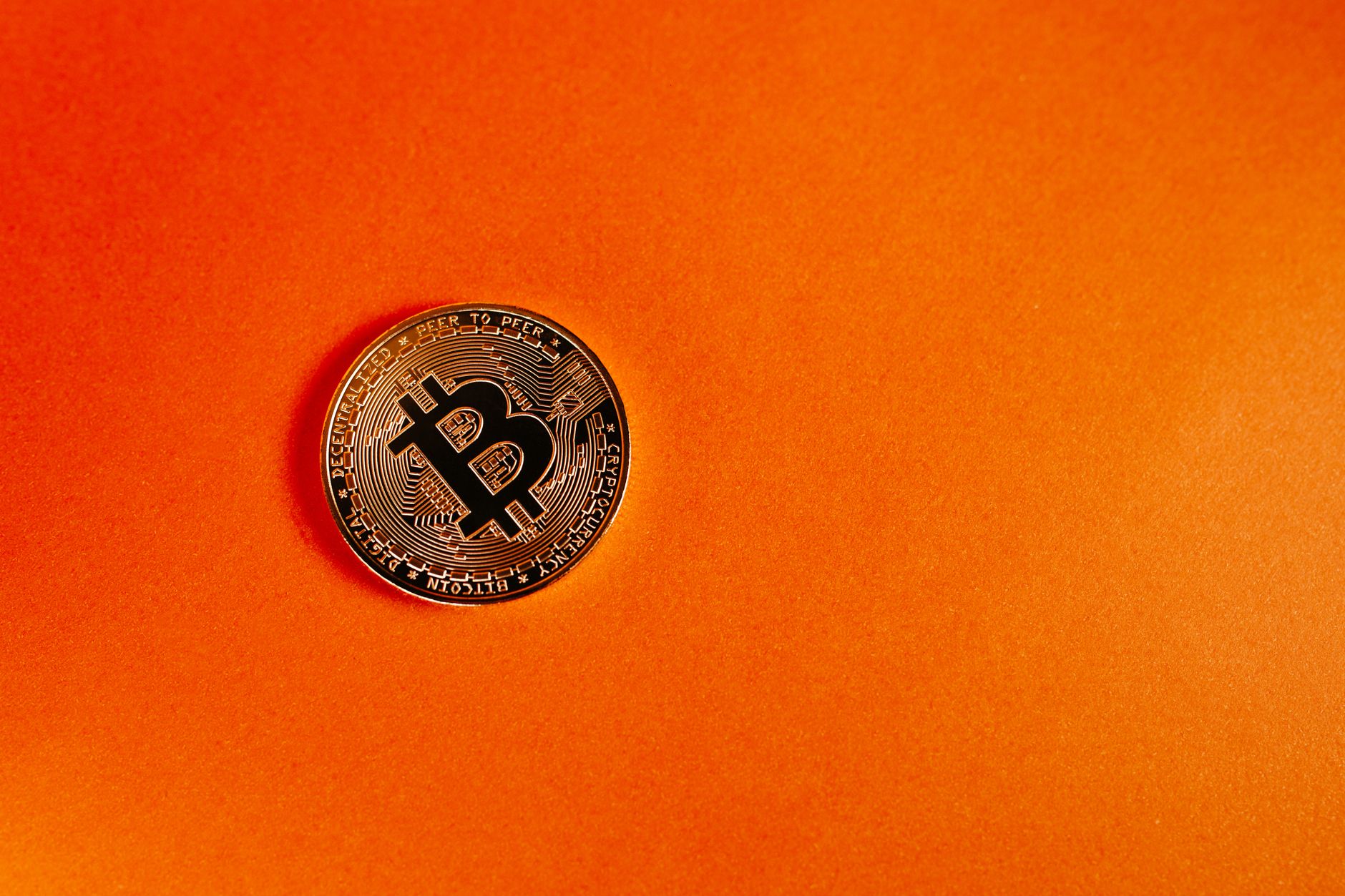
Understanding Decentralized Betting Pools: What They Are & Why They're Changing the Game (Plus, Is It Legal?)
Decentralized betting pools represent a revolutionary shift in the world of online gambling, moving away from traditional bookmakers and towards a community-driven model. At their core, these pools leverage blockchain technology and smart contracts to facilitate peer-to-peer wagering. Instead of betting against a house, participants contribute funds to a shared pool, and the smart contract automatically distributes winnings based on predetermined outcomes. This eliminates the need for intermediaries, reducing fees and increasing transparency. Key characteristics include:
- Trustless operation: Smart contracts execute automatically, removing human error or manipulation.
- Enhanced security: Funds are held in decentralized wallets, not by a central entity.
- Global accessibility: Anyone with an internet connection and cryptocurrency can participate.
The impact of decentralized betting pools on the traditional gambling landscape is profound, fundamentally altering how wagers are placed and settled. By removing the central authority, they address common pain points like opaque odds, slow payouts, and high transaction fees. However, the question of legality is often complex and varies significantly by jurisdiction.
“The regulatory framework for decentralized applications, especially those involving financial transactions, is still evolving,”notes industry experts. While the underlying blockchain technology is often unregulated, the act of participating in or operating a betting pool may fall under existing gambling laws. Users must perform due diligence to understand the legal implications in their specific region, as the decentralized nature of these pools can make enforcement challenging but doesn't negate potential legal risks. The future will likely see a continued push for clearer regulations as these platforms gain wider adoption.
Decentralized betting platforms leverage blockchain technology to offer a transparent and secure alternative to traditional bookmakers. These platforms allow users to place bets directly against each other, eliminating the need for intermediaries and often providing better odds and reduced fees. The rise of decentralized betting is driven by a desire for greater user control, censorship resistance, and verifiable fairness in the gambling industry.
Your First Dip: Practical Steps to Joining a Pool & Maximizing Your Returns (Common Q&A: 'How Do I Cash Out?' & 'What Are the Risks?')
Embarking on your journey into a mining pool can seem daunting, but the practical steps are straightforward. First, you'll need to choose a reputable mining pool that aligns with your hardware and preferences. Consider factors like pool size, fee structure, payout scheme (e.g., PPLNS, PPS+), and server location for optimal latency. Once selected, you'll typically register an account and configure your mining software (e.g., Ethminer, CGMiner, BFGMiner) to point to the pool's server address and port, using your worker name and password. Many pools offer detailed guides for various miners, simplifying this process. Remember to regularly monitor your miner's performance and the pool's dashboard to ensure everything is running smoothly and you're contributing effectively.
A common and critical question for newcomers is,
"How do I cash out?"Most pools offer various withdrawal options, often including direct deposits to a cryptocurrency wallet you control. You'll typically set a minimum payout threshold, and once your accumulated earnings reach that amount, the pool automatically transfers the funds. Regarding the flip side, "What are the risks?" It's important to be aware of a few. While highly unlikely with established pools, there's always a theoretical risk of a pool operator absconding with funds (a 'scam pool'). More realistically, risks include fluctuating cryptocurrency prices impacting your earnings, network difficulty increases reducing your share of rewards, and potential downtime or technical issues with the pool itself. Always do your due diligence and diversify your mining efforts if possible.