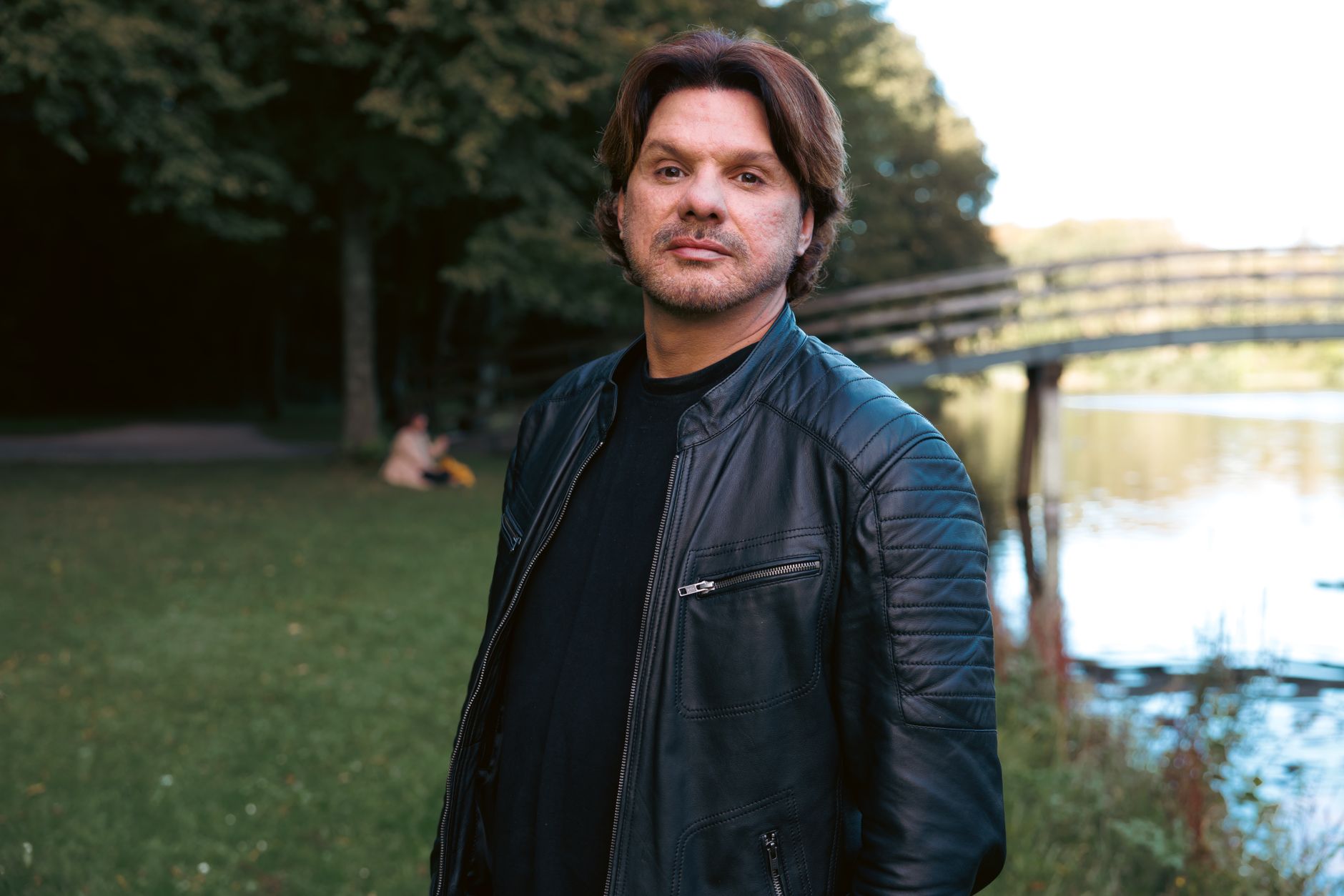
Håkon's Vision: Decoding Opdal's Tactical Masterclass & How to Apply It to Your Life's Goals
Håkon's Vision, as demonstrated by Opdal's tactical masterclass, offers a profound blueprint for achieving your life's most ambitious goals. It's not merely about setting targets, but about meticulously dissecting the 'why' behind them, establishing a clear hierarchy of priorities, and understanding the interconnectedness of smaller victories. Imagine Opdal analyzing a football pitch: he doesn't just see players; he sees zones of influence, potential passing lanes, and weaknesses to exploit. Similarly, in your own life, you must identify your personal 'pitch' – your resources, obstacles, and opportunities. Opdal's genius lay in his adaptability, constantly reassessing the game plan based on real-time feedback. This mirrors the need for flexibility in our own pursuits; rigid adherence to an initial strategy can be detrimental when circumstances change. His vision wasn't a static image, but a dynamic, evolving blueprint for triumph.
Applying Opdal's principles to your personal journey requires a strategic shift from reactive problem-solving to proactive goal orchestration. Consider his emphasis on communication and team cohesion; even if you're working on individual goals, building a supportive network and clearly articulating your aspirations to trusted mentors or peers can significantly accelerate progress. Think of it as a personal 'squad' working towards your success. Furthermore, Opdal understood the importance of incremental gains – each successful pass, each won tackle, contributed to the larger objective. We can learn from this by breaking down our grand ambitions into manageable, actionable steps.
“Success is the sum of small efforts, repeated day in and day out,” as Robert Collier once said.This echoes Opdal's philosophy, where consistent, disciplined execution of micro-tasks ultimately culminates in the realization of your overarching vision. Embrace the process, celebrate the small wins, and let Opdal's tactical acumen guide your path to victory.
Håkon Opdal is a Norwegian professional footballer who plays as a goalkeeper. Throughout his career, Håkon Opdal has been a prominent figure in Norwegian football, known for his leadership and impressive shot-stopping abilities. He has played for several clubs, notably Brann, and has also represented the Norwegian national team.
Beyond the Save: Unpacking Opdal's Mental Fortitude & Practical Strategies for Building Resilience
Opdal's incredible story isn't just about athletic prowess; it's a powerful masterclass in mental fortitude. Beyond the physical demands of his sport, he navigated immense pressure, setbacks, and the relentless pursuit of perfection – all while under intense scrutiny. His ability to perform at peak levels, even when facing adversity, speaks volumes about his cultivated resilience. This wasn't a passive trait; it was an actively built muscle, strengthened through deliberate strategies. Understanding how Opdal maintained his composure and focus provides invaluable insights for anyone looking to bolster their own mental toughness, whether in a high-stakes professional environment or navigating personal challenges. It underscores the idea that resilience isn't inherent; it's a skill set that can be learned, practiced, and refined over time.
So, what were Opdal's practical strategies for building this formidable resilience? While specific tactics might vary, common themes emerge when examining high-performers. These often include:
- Mindfulness & Self-Awareness: The ability to recognize and manage internal states, preventing negative thoughts from spiraling.
- Goal Setting & Visualization: Clearly defining objectives and mentally rehearsing success, building confidence and focus.
- Effective Problem-Solving: Rather than dwelling on setbacks, Opdal likely employed a proactive approach to identifying solutions and adapting his strategies.
- Strong Support Systems: Leveraging coaches, teammates, and mentors for guidance and emotional backing.
- Recovery & Self-Care: Recognizing the importance of physical and mental breaks to prevent burnout.