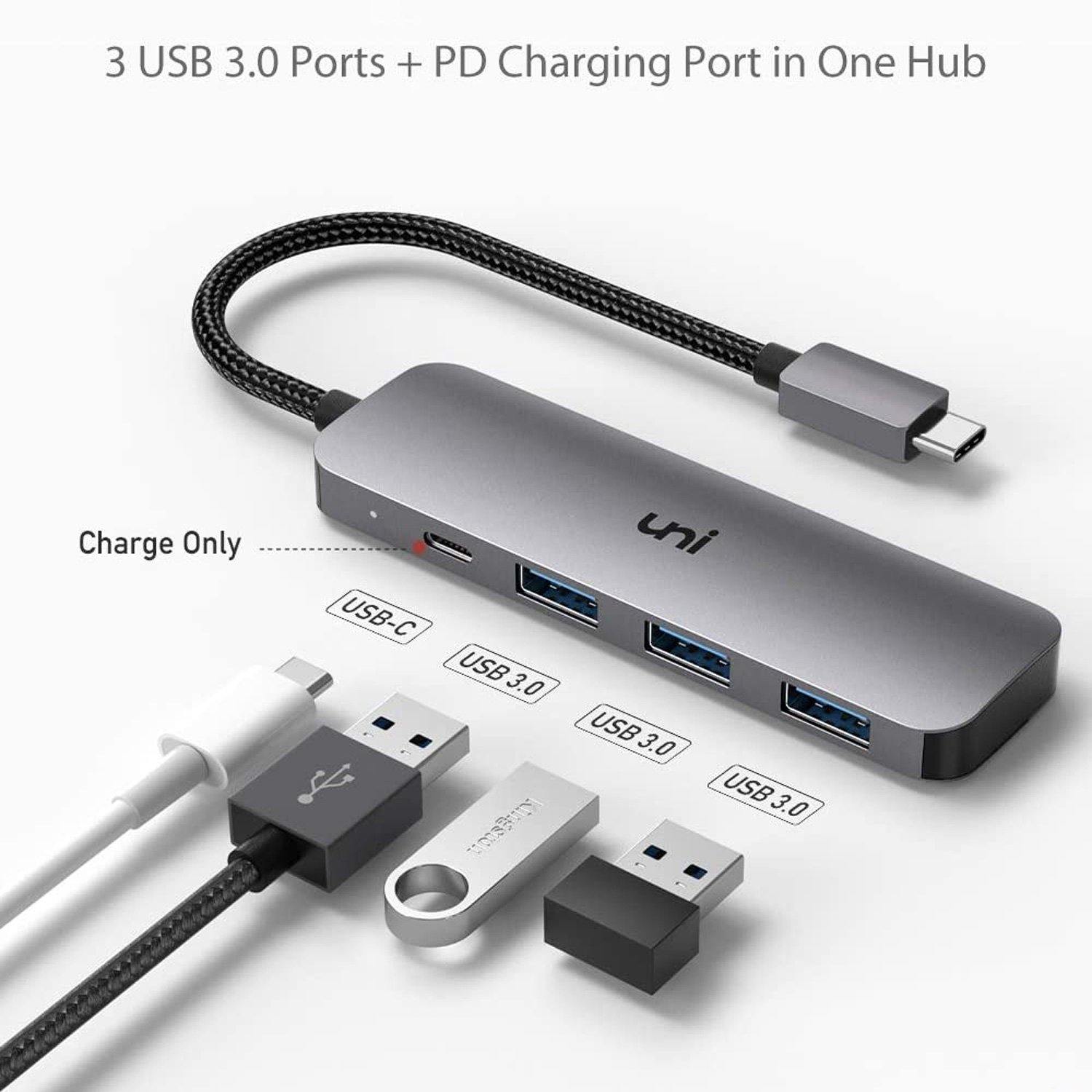
Understanding USB-C: How It Revolutionizes Charging and Data Transfer
USB-C is quickly becoming the universal standard for charging and data transfer across a wide range of devices, including smartphones, laptops, and tablets. Unlike its predecessors, USB-C connectors are reversible, which means you can plug them in either way, eliminating the frustration often encountered with older USB types. Additionally, the USB-C standard supports faster charging and higher data transfer rates, making it a game changer for both consumers and manufacturers. With the ability to deliver power up to 100 watts and transfer data at speeds up to 10 Gbps or higher, USB-C is revolutionizing the way we think about connectivity.
Moreover, the versatility of USB-C goes beyond just charging and data transfer. It supports a multitude of protocols, enabling users to connect to various devices seamlessly. For instance, a single USB-C port can handle video output, allowing you to connect your laptop to external monitors or TVs with just one cable. As more devices adopt this technology, it's clear that USB-C is setting the stage for a future with enhanced convenience and efficiency, potentially phasing out the need for multiple types of cables and connectors. This shift not only streamlines our tech ecosystem but also reduces electronic waste, making it an environmentally friendly option.
Counter-Strike is a popular tactical first-person shooter that has captivated gamers worldwide. The game emphasizes teamwork, strategy, and skill, making it a favorite among competitive players. If you're looking to enhance your gaming setup, check out the Top 10 external monitors for mac to elevate your gaming experience.
Top 5 Devices that Use USB-C and Why You Should Switch
In today's fast-paced world, adopting modern technology is essential. One such upgrade that many users are considering is the switch to USB-C. This versatile port is rapidly becoming the standard for a variety of devices, and there are several compelling reasons to make the change. For starters, USB-C offers faster data transfer speeds, improved power delivery, and a reversible design that eliminates the hassle of figuring out which way to plug it in. Here are the top 5 devices that utilize USB-C and why you should consider switching:
- Laptops: Many new laptops, including models from Dell, HP, and Apple, now feature USB-C ports that support charging, data transfer, and video output.
- Smartphones: Most flagship smartphones, including the latest iPhones and Android devices, have transitioned to USB-C, offering faster charging and syncing.
- Tablets: The latest tablets, such as the iPad Pro and Samsung Galaxy Tab, use USB-C for enhanced connectivity options.
- Headphones: Several new brands of wireless headphones and earbuds feature USB-C charging ports, reducing the number of cables needed.
- Monitors: USB-C connections in monitors allow for quick data transfer and charging of laptops simultaneously.
Upgrading to USB-C not only simplifies your charging solutions but also ensures compatibility with the latest technologies.
Is USB-C the Future of Charging? Common Questions Answered
The emergence of USB-C as a universal charging standard has sparked widespread discussions about its potential as the future of charging devices. This versatile connector, which supports faster data transfer rates and higher power delivery, is already being embraced by major tech companies. With its reversible design, users enjoy a convenient experience, eliminating the frustration of incorrect plug orientation. As more devices, from smartphones to laptops, adopt the USB-C standard, the question arises: Is USB-C really the future of charging?
To address common queries, many wonder about the compatibility of USB-C with existing devices. Most newer gadgets are equipped with this connector, while adapters are available for older models, enhancing accessibility. Additionally, consumers frequently ask about the speed and efficiency of USB-C compared to traditional USB types. USB-C indeed delivers faster charging and data transfer capabilities, making it a noteworthy contender for being the industry standard. As this technology continues to evolve, users can expect more innovations, confirming that USB-C may very well shape the future of charging.