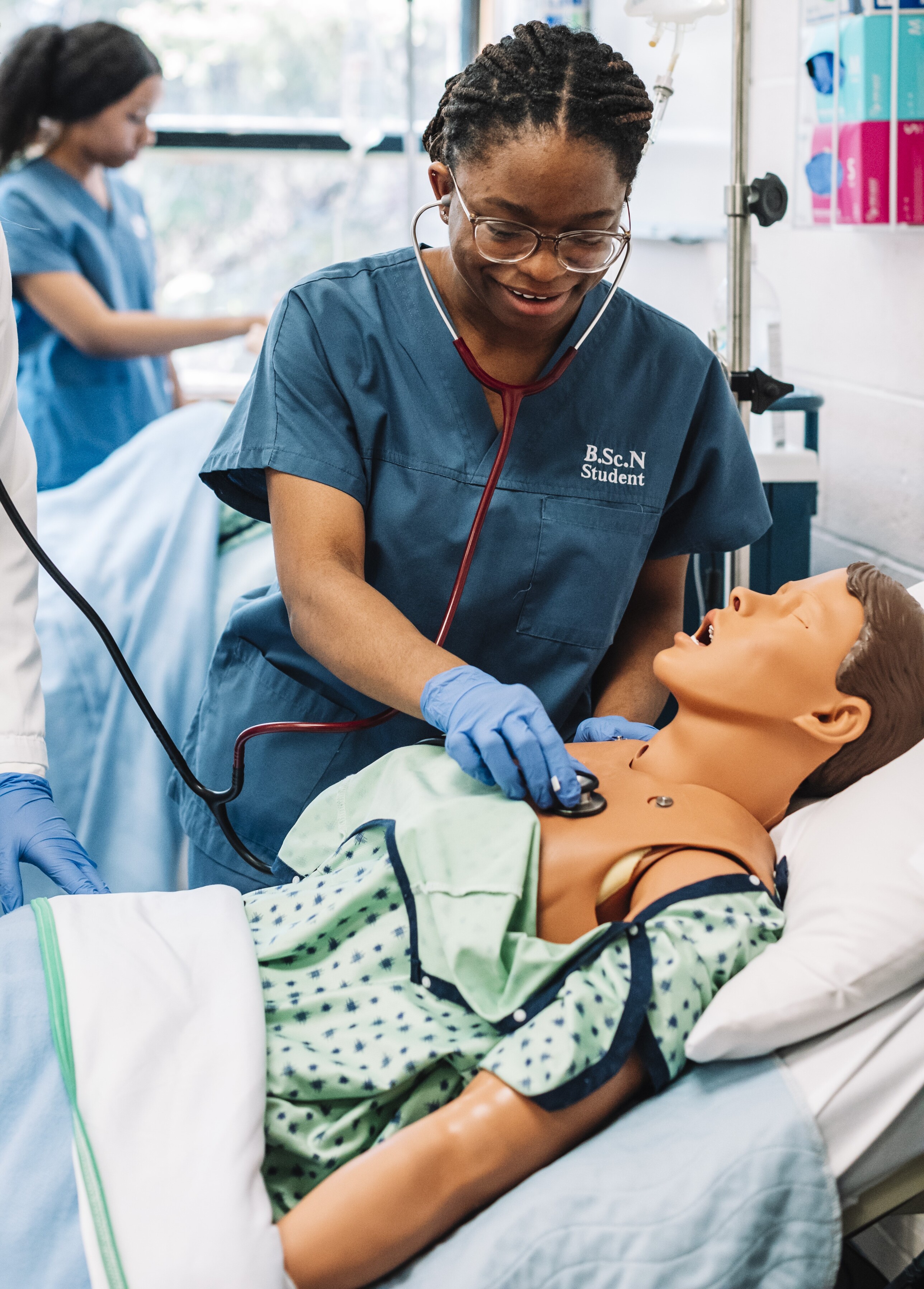
The Essential Role of Nurses in Patient Recovery: What You Need to Know
Nurses play a critical role in the healing and recovery process of patients, serving not just as caregivers but also as educators and advocates. They are often the first point of contact in healthcare settings, responsible for assessing patients’ conditions, administering medications, and coordinating care plans. Their ability to provide emotional support and communicate effectively with patients can significantly impact recovery rates. Studies have shown that patients who engage positively with nurses tend to experience shorter hospital stays and improved health outcomes.
Moreover, nurses are instrumental in patient education, teaching individuals about their conditions, treatment options, and preventative measures. This knowledge empowers patients to take an active role in their own recovery, leading to better adherence to treatment plans. A strong nurse-patient relationship fosters trust and encourages open communication, which is essential for identifying potential complications early. Thus, understanding the essential role of nurses in patient recovery is vital for anyone seeking to optimize health outcomes.
Counter-Strike is a popular multiplayer first-person shooter game that has captivated gamers worldwide since its release. Players team up as either terrorists or counter-terrorists in various objective-based game modes. For those looking for quick solutions, it's essential to check out the Top 10 Fast Bottle Warmers for a smooth gaming experience, especially during those long gaming sessions. The game emphasizes teamwork, strategy, and skill, making it a staple in the esports community.
Top 5 Skills Every Nurse Must Have to Provide Optimal Patient Care
In the fast-paced world of healthcare, nurses play a pivotal role in ensuring optimal patient care. To achieve this, there are five essential skills that every nurse must possess. First and foremost is communication. Strong communication skills allow nurses to effectively interact with patients, families, and interdisciplinary teams, ensuring that critical information is accurately shared and understood. Additionally, empathy is crucial; it enables nurses to connect with patients on a personal level, fostering trust and providing emotional support during challenging times.
The third skill essential for nurses is critical thinking. This involves assessing patient situations, making informed decisions, and developing effective care plans. Fourth, attention to detail cannot be overstated, as even minor errors can have significant consequences in patient care. Finally, a strong sense of adaptability is vital in the ever-evolving field of nursing. The ability to adjust to new technologies, procedures, and patient needs can greatly enhance the quality of care provided. By mastering these skills, nurses can ensure that they deliver the highest standard of care to their patients.
How Can Nurses Improve Patient Communication and Trust?
Effective communication is a cornerstone of patient care, and nurses play a pivotal role in this process. To enhance patient communication, nurses can employ several strategies, including active listening, which allows them to fully understand patients' concerns and needs. Moreover, utilizing clear and simple language can help bridge any gaps in understanding. For instance, nurses can avoid medical jargon and instead explain conditions and treatments in straightforward terms. Additionally, maintaining eye contact and using non-verbal cues can reinforce the message of care and attentiveness, ultimately fostering a trusting relationship between nurses and their patients.
Building trust in the nurse-patient relationship is equally important. To cultivate this trust, nurses should consistently demonstrate empathy and respect for patients' individual experiences. This can involve acknowledging patients' feelings and validating their concerns, which empowers them and makes them feel valued in their care journey. Furthermore, transparency in communication about treatment plans and what patients can expect during their care can further enhance trust. Providing patients with opportunities to ask questions and express their preferences can also create a more collaborative environment, leading to improved patient satisfaction and outcomes.