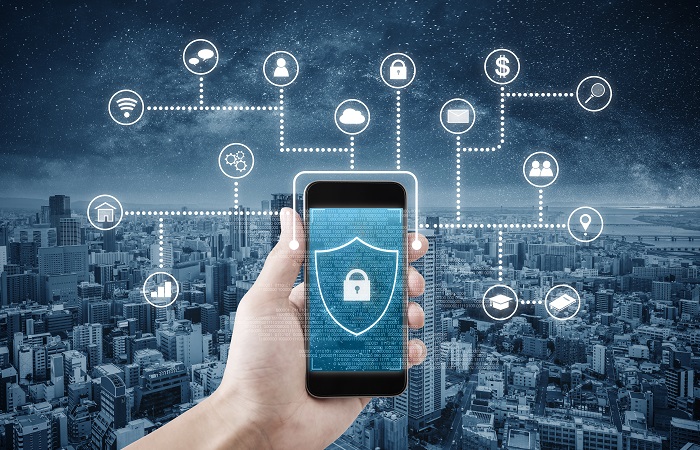
Top 10 Mobile Security Features Every Smartphone User Should Know
In today’s digital age, safeguarding your personal information is more crucial than ever. Here are the Top 10 Mobile Security Features every smartphone user ought to be aware of:
- Biometric Authentication: Utilize features like fingerprint scanning and facial recognition to ensure that only you can access your device.
- Encryption: Ensure your data is protected by encrypting sensitive information, making it unreadable to unauthorized users.
- Regular Software Updates: Keep your smartphone's software and apps up to date to protect against newly discovered vulnerabilities.
- Two-Factor Authentication (2FA): Enable 2FA on your accounts for an extra layer of security, requiring a second form of verification.
Understanding and implementing these mobile security features can greatly enhance your device's protection. Here are the remaining five:
- App Permissions: Regularly review and manage app permissions to prevent apps from accessing sensitive data unnecessarily.
- Antivirus Software: Invest in reputable mobile antivirus software to fend off malicious apps and potential threats.
- Remote Wipe Feature: Enable the ability to remotely wipe your device in case it gets lost or stolen, ensuring your data stays protected.
- Secure Password Management: Use a password manager to create and store strong, unique passwords for all your accounts.
- Public Wi-Fi Precautions: Be wary of using public Wi-Fi and consider using a VPN to protect your data when connecting to unsecured networks.
Counter-Strike is a popular first-person shooter video game that emphasizes teamwork and strategy. Players assume the roles of terrorists or counter-terrorists, engaging in various game modes that often revolve around objectives such as bomb planting or hostage rescue. For gamers looking to enhance their privacy while playing on mobile devices, check out the Top 10 iphone privacy screen protectors that can help protect sensitive information on screens during intense gaming sessions.
How to Protect Your Smartphone from Cyber Threats: Essential Tips
In today’s digital age, protecting your smartphone from cyber threats is more crucial than ever. With the increasing prevalence of malware, phishing attacks, and data breaches, your personal information can easily be compromised. To enhance your device's security, consider implementing a few essential strategies. First, ensure that your smartphone's operating system and applications are regularly updated. These updates often include security patches that address vulnerabilities exploited by cybercriminals. Additionally, always use strong passwords for your device and accounts, incorporating a mix of letters, numbers, and special characters.
Another key aspect of smartphone protection is being cautious about the applications you download and the connections you make. Always download apps from trusted sources, such as the official app store for your device. Before downloading, check user reviews and ratings to gauge the app's reliability. Furthermore, it's wise to avoid connecting to public Wi-Fi networks without a Virtual Private Network (VPN), as these can expose your device to significant cyber risks. By following these essential tips, you can effectively safeguard your smartphone against potential cyber threats.
Is Your Smartphone Safer Than Your Computer? A Deep Dive into Mobile Security
In today’s digital age, smartphones have become an integral part of our lives, often replacing traditional computers for many daily tasks. However, this convenience comes with challenges, particularly concerning mobile security. While smartphones are equipped with various security features such as biometric authentication and encryption, they also pose unique vulnerabilities. For instance, the potential for malware and phishing attacks tailored specifically for mobile devices is on the rise. According to recent studies, nearly 50% of smartphone users fall victim to some form of cyber threat each year, raising questions about whether your smartphone is truly safer than your computer.
On the other hand, computers often benefit from more robust security infrastructures that include advanced firewalls, antivirus software, and regular system updates. Additionally, users tend to have more control over their computer environments, enabling them to implement more stringent security measures. However, the rise of remote work and cloud-based systems has also made personal computers more vulnerable to attacks, particularly when connected to unsecured networks. Therefore, when comparing smartphone and computer security, it’s essential to consider not just the capabilities of each device but also the user’s behavior and the specific threats they face.