5 Essential Ergonomic Principles for a Better Workspace
Creating an ergonomic workspace is crucial for enhancing productivity and preventing discomfort. Here are 5 essential ergonomic principles to consider when designing your workspace:
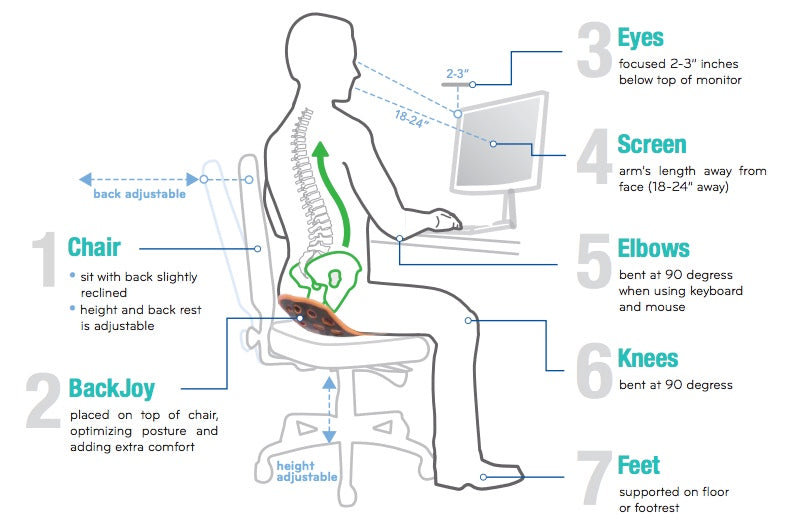
- Maintain Proper Posture: Ensure that your chair and desk are set in a way that supports your natural posture. Your feet should be flat on the floor, knees at a 90-degree angle, and your back supported. This helps reduce strain on your body.
- Adjust Your Computer Monitor: Position your monitor at eye level, approximately an arm's length away, to prevent neck strain. The top of the screen should be at or just below eye level to maintain a neutral head position.
- Keyboard and Mouse Placement: Keep your keyboard and mouse within easy reach to avoid overreaching. Your wrists should be straight, and your hands should float comfortably above the keyboard.
- Take Regular Breaks: Remember to step away from your workspace periodically. Use a timer to remind you to take a break every 30-60 minutes to stretch and move around.
- Personalize Your Workspace: Incorporate ergonomic accessories like a chair cushion, footrest, or wrist support. Tailoring your environment to your needs can significantly enhance your comfort level.
Counter-Strike is a tactical first-person shooter game that has captivated players since its inception in the late 1990s. The game emphasizes teamwork, strategy, and precision as players compete in various objective-based game modes. Whether you're playing casually or in a professional setting, having the right environment can enhance your gaming experience. For instance, you might want to check out the Top 10 Home Office Setups to optimize your gaming space.
How Ergonomic Design Can Boost Your Productivity
Ergonomic design plays a crucial role in enhancing productivity by creating a workspace that minimizes discomfort and maximizes efficiency. By adopting ergonomic principles, you can significantly reduce the risk of injuries such as back pain, repetitive strain injuries, and eye strain. A well-designed workspace incorporates elements such as adjustable chairs, height-adjustable desks, and proper monitor placement to support healthy posture and movement. According to studies, employees working in ergonomically optimized environments report greater satisfaction and higher levels of focus, which ultimately leads to increased productivity.
Furthermore, ergonomic design promotes better time management and workflow by allocating resources wisely. For example, organizing tools and equipment within easy reach can minimize unnecessary movement and distractions, allowing you to concentrate on tasks at hand. Implementing ergonomic strategies like using keyboard trays, footrests, and adequate lighting can enhance your work experience significantly. As a result, both productivity and well-being are improved, making it imperative for businesses and individuals alike to invest in ergonomic solutions for their work environments.
Are You Sitting Correctly? Common Ergonomic Mistakes to Avoid
In today's digital age, many of us spend hours in front of a computer, making it crucial to assess whether you are sitting correctly. Poor sitting posture can lead to various health issues, including back pain, neck strain, and repetitive strain injuries. Here are some common ergonomic mistakes to avoid:
- Slouching: Allowing your back to curve can put excessive pressure on your spine.
- Incorrect monitor height: Your screen should be at eye level to prevent neck strain.
- Uncomfortable chair: Investing in an ergonomic chair can provide the necessary support for long hours of sitting.
By being aware of these ergonomic pitfalls, you can improve your seating posture and promote better overall health.